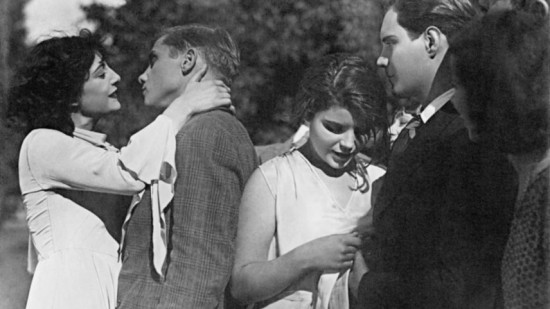
Spring Awakening (1929)
After five days of wonderful films, music, research, conversation, coffee and Jan Kiepura the British Silent Film Festival is over for another year. We had a fantastic time and were happy to welcome some new faces (and old ones) to the festival this time. We’d especially like to thank the amazing musicians and the staff of the Phoenix Arts Centre in Leicester for their warm welcome and their awesome technical skills – also the New Walk Gallery who hosted three of our most popular events.
If you have been following the festival on Facebook, Instagram or Twitter, you’ll have seen that many of screenings prompted a certain amount of discussion online. If you haven’t, or you’d like a recap, here’s just a flavour of what people were saying about the festival. Check the #BSFF19 hashtag for more …
https://www.instagram.com/p/B2cQATwF95m/
https://www.instagram.com/p/B2SUekvlu9w/
https://www.instagram.com/p/B2TIM-5glhD/
https://twitter.com/Mick_Aitch/status/1172869250840768512
https://twitter.com/dmuleicester/status/1171830489516322816
And special thanks to Paul Joyce for two superb blogpost reports from the festival, which really captured the excitement of the event.
- Part one: Who Knows Where the Time Goes?
- Part two: Secrets and Lies
Oh, and in case you were wondering …
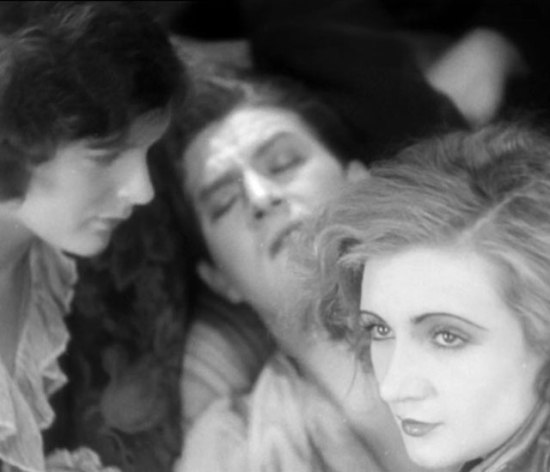
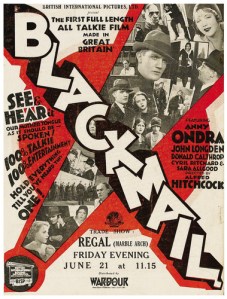 Sound came a little later to Britain than to the US. The first fully synchronised sound film to be released in this country was horror film The Terror, in November 1928. The following year, studios and cinemas hurriedly mobilised to accommodate the “Talker Wave” and by the time Hitchcock had released his Blackmail in both silent and talkie versions, the industry knew it would have to enter the 1930s wired for sound.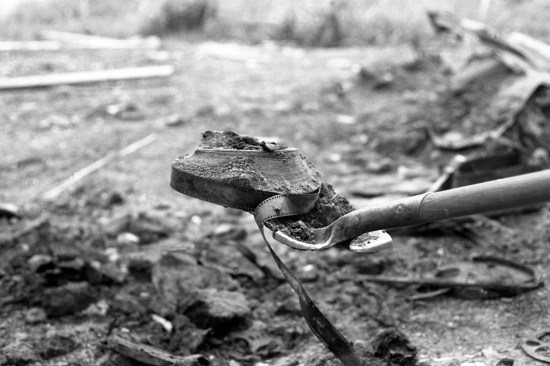
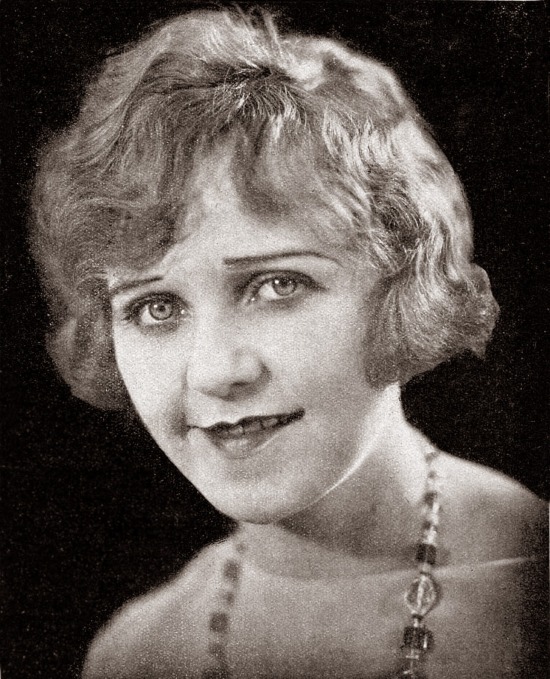
 British Silent Film Festival