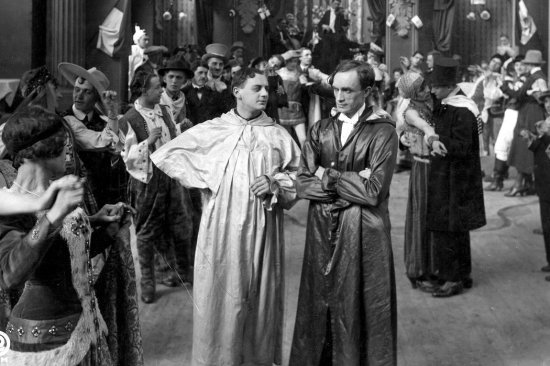
Anders als die Andern (Different from the Others, 1919)
Silent cinema began in the Victorian era and faded away at the end of roaring twenties, just before the repeal of prohibition in America. So silent films were made in the context of around four decades of social change. It was a time in which women fought for the vote, workers campaigned for greater rights, the world went to war, the Russian empire fell, the aeroplane was invented, the motorcar drove horses off our streets, factories built assembly lines, radio waves circled the globe, and attitudes to sex, and censorship went through revolutions.
When we talk about early 1930s Hollywood cinema, we call that period pre-Code: the last few wild years before William Hays’s MPDDA regulations about sex, violence, religion, race, drugs and alcohol were rigorously enforced on screen. Effectively all silent cinema is pre-Code, but that doesn’t mean that “anything went”. Hollywood studios practised some severe self-censorship in the early 1920s, following a few lurid scandals, and while 19th-century morality was not quite as prudish as it has been painted, early cinema was generally more coy about sex than films of today. But that is not the full story …
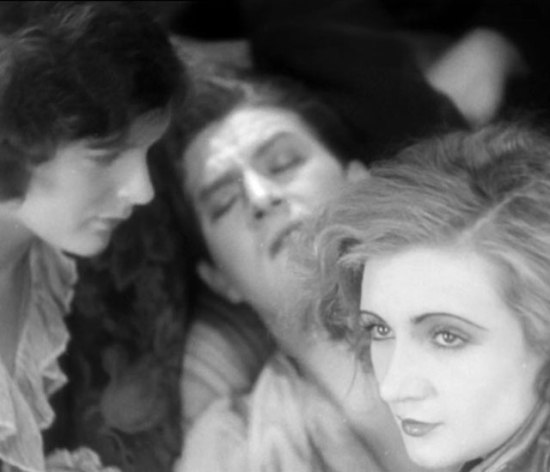
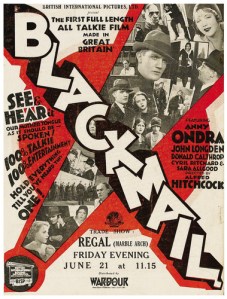 Sound came a little later to Britain than to the US. The first fully synchronised sound film to be released in this country was horror film The Terror, in November 1928. The following year, studios and cinemas hurriedly mobilised to accommodate the “Talker Wave” and by the time Hitchcock had released his Blackmail in both silent and talkie versions, the industry knew it would have to enter the 1930s wired for sound.
 British Silent Film Festival