King’s College London, Strand Campus, The Arthur and Paula Lucas Lecture Theatre (S-2.18)
Registration for the BSFFS 2017 is now open. Registration is £20 for one day [please specify which day], £30 for both days.
Please register at: LINK
Tea and coffee provided morning and afternoon.
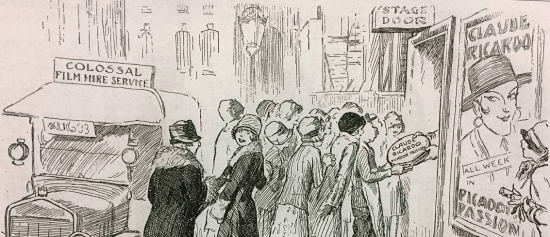
The British Silent Film Festival affords scholars, archivists and enthusiasts the opportunity to re-asses film-making in Britain between 1895 and 1930. By bringing forgotten films out of the archive, and encouraging scholarly activity that can place those films in appropriate production and reception contexts, the festival has been the driving force behind a complete re-appraisal of what was previously an almost unknown cinema.
This two-day symposium is intended to complement the festival itself – an opportunity to consider the achievements and the key debates brought to light by the festival, and to discuss the new directions that future research may take. Highlights of the programme this year include screenings of A Lowland Cinderella (Sidney Morgan, 1921) starring Joan Morgan, in a romance set in Scotland but filmed on the English south coast, and two films not seen publically since their release – The Unsleeping Eye (Alexander Macdonald, 1928) and Empire adventure shot by a Scottish production company, and A Light Woman (Adrian Brunel, 1928) which was previously thought lost, but has now been discovered in a truncated home-market version.
The full programme of screenings and presentations is below
THURSDAY 6th April
09.00-11.00 – SESSION ONE: NEW TECHNOLOGIES
Welcome & Housekeeping (10 mins)
09.10: Tony Fletcher – Screening and Talk: The Transition to Sound 1925-7 (60 mins)
10.10: Rebecca Harrison – Class and the Train’s Effect: Reinvestigating the ‘Panicking Audience’
10.30: Bryony Dixon & Steve Foxon – Trainspotting Too: Reporting from the BFI’s Victorian Project
10.50: Questions
11.00-11.30 TEA BREAK
11.30-1.00 – SESSION TWO: EARLY EXCITEMENTS
11.30: Stephen Morgan – Seismic Sturnutations: That Fatal Sneeze (1907) as Earthquake Film
11.50: Andrew Shail – The Series Character on UK Screens before the First World War
12.10: Stephen Bottomore – Caravans and Kinematographs: the origins of the public health film
12.30: SCREENING – The Fly Pest (1909) 35mm 6 min
- 40: Questions
13.00-14.00 LUNCH BREAK
14.00-14.30 – SESSION THREE: OLD AND NEW FRIENDS
14.00: Gerry Turvey – ‘A New Palace of Pleasure’: The Bohemia Cinema Pleasure Garden at Finchley, North London, 1912-18
14.20: Lucie Dutton MA – Maurice Elvey and Hindle Wakes: “It’s really about something – it’s about people”
14.40: Jo Botting – Adrian Brunel and the ‘missing’ film A Light Woman
15.00: SCREENING – A Light Woman (1928) DVD 25 mins [9.5mm cut-down version]
15.30-16.00 TEA BREAK
16.00-18.00 – SESSION FOUR: SCOTLAND ON THE SOUTH COAST
18.00: Ellen Cheshire – Making progress in re-assessing Progress Films
18.20: SCREENING – A Lowland Cinderella (1921) 35mm
***************************
FRIDAY 7th April
09.20 – 10.30 – SESSION FIVE: SOUND, MUSIC AND SCOTLAND
09.20: Jude Cowan Montague – The many voices of Gracie Fields: Sally in Our Alley (1931)
09.40: *John Ritchie – Silent Hollywood Scotland: Seeing Ourselves As Others See Us
10.00: *Sarah Neely – Tantalizing fragments: Scots language, dialect and song in the early talkies
10.20: Questions
10.30-11.00 TEA BREAK
11.00 – 12.30 – SESSION SIX: SCOTLAND AND EMPIRE
11.00: Caroline Merz – Scotland and Empire: The Seven Seas Screen Productions
11.20: SCREENING – The Unsleeping Eye (MacDonald, 1928) 35mm 68 mins
12.30-14.00 LUNCH BREAK
14.00-15.30 – SESSION SEVEN: SOUND AND THE BRITISH EXHIBITOR
14.00: *Nyasha Sibanda – “Almost, If Not Quite, As Good as the W.E.”: On Sound Apparatus 1929-1930
14.20: *Geoff Brown – How To Lose Money In British Films: A SHAREHOLDER’S GUIDE
14.40: *Laraine Porter – ‘Avoiding a disaster attaching to a stampede’; the CEA and the reluctance of British cinemas to wire for sound
15.00: *John Izod – The Empowering of British Cinema Operators, 1927-33
15.20: Questions
15.30-16.00 TEA BREAK
16.00-18.00 – SESSION EIGHT: TALES FROM THE THE 1920s
16.00: Christina Hink – Machine Aesthetics in The Battles of Coronel and Falkland Islands (1927)
16.20: Pamela Hutchinson – Pandora’s Box (1929) Lulu’s ‘misadventures’ in London
16.40: Chris O’ Rourke: ‘The Worst Kind of American Sensationalism’: Selling Stardom in the 1922 Daily Sketch Contest
17.00: Bryony Dixon, Laraine Porter – plenary and final discussion
*indicates that speakers are part of the ‘British Silent Cinema and the Transition to Sound 1927-1932’ research project co-ordinated at De Montfort University, Leicester and the Univeristy of Stirling, and funded by the Arts & Humanities Research Council.
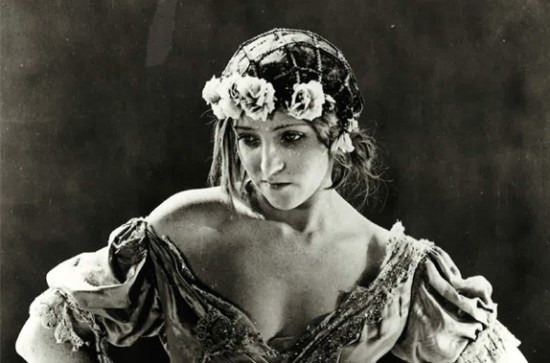
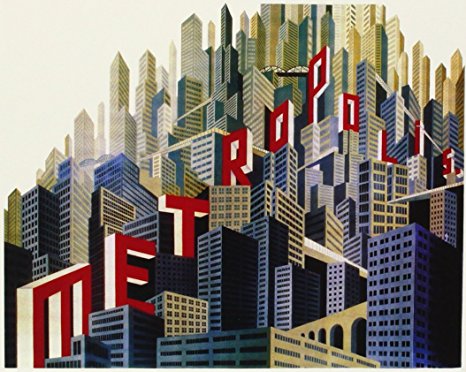
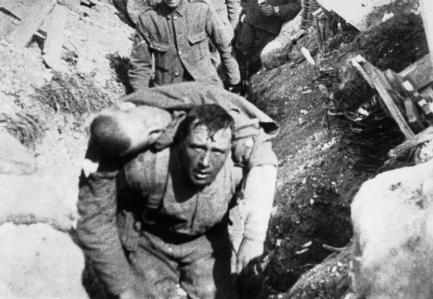
 m Festival affords scholars, archivists and enthusiasts the opportunity to re-asses film-making in Britain between 1895 and 1930. By bringing forgotten films out of the archive, and encouraging scholarly activity that can place those films in appropriate production and reception contexts, the festival has been the driving force behind a complete re-appraisal of what was previously an almost unknown cinema.

 British Silent Film Festival